First impressions are made in seconds.
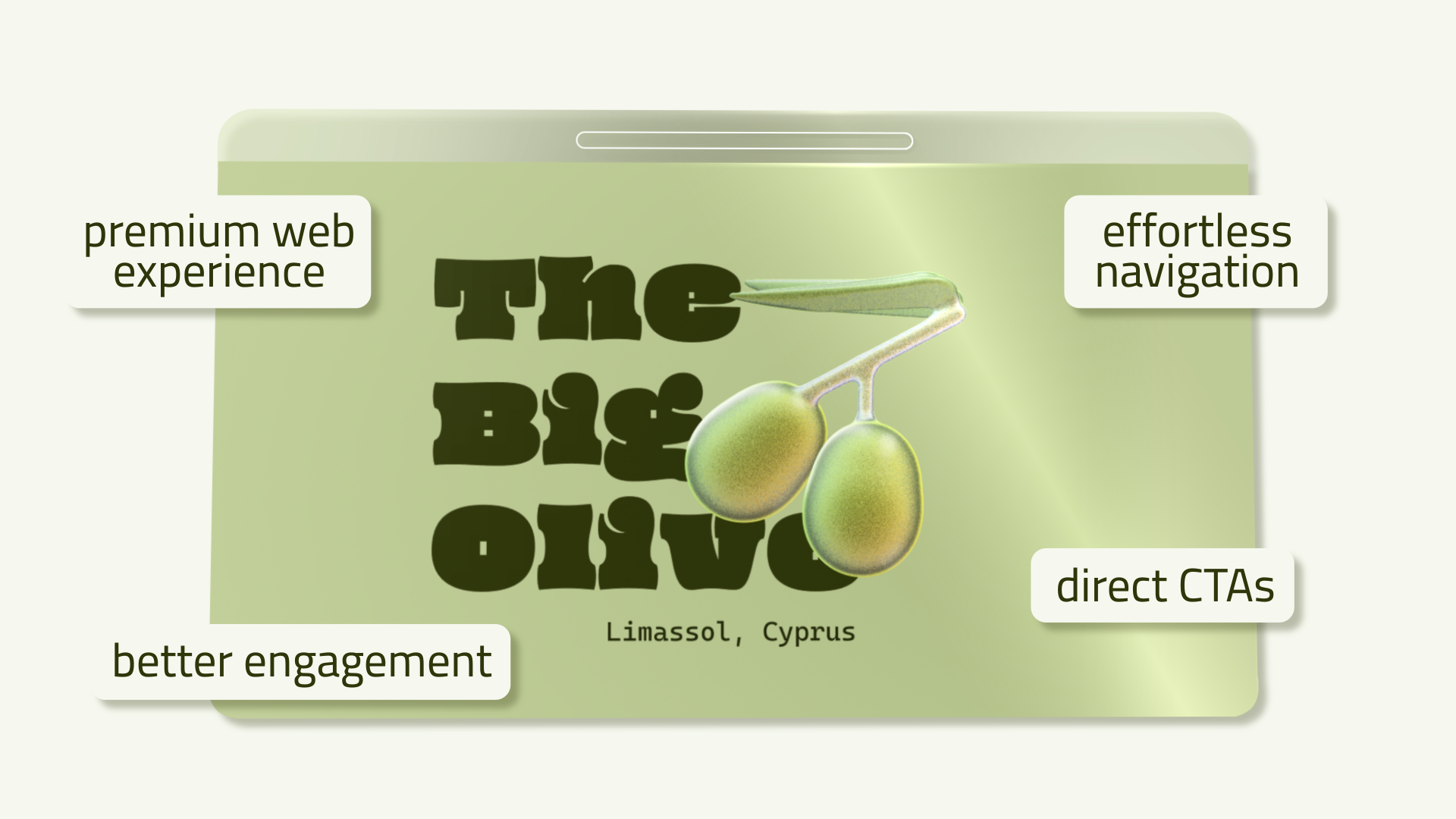
When someone lands on your website, they immediately decide whether your business feels modern, trustworthy, and worth exploring. Before they read a single headline, they're already judging the experience.
That's why more brands are replacing static hero sections with interactive website headers built using tools like GSAP and Spline.
An interactive header isn't just visually impressive—it increases engagement, communicates quality, and helps your brand stand out in an increasingly crowded digital landscape.
You’ve only got a few seconds to make the best first impression, in the first three seconds, your audience has already made a decision on whether they’re going to keep scrolling or bounce. Having an interactive element can hold their attention for just long enough to stick around to scroll.
Why? Because they’re already engaged before they’ve read a single headline. An interaction can communicate quality and intent with almost zero cognitive load.
Your website looks good, but does it respond to your audience’s behaviour?
What Is an Interactive Website Header?
An interactive website header is the hero section at the top of your homepage that responds to user interaction.
Instead of a flat image or looping video, visitors can experience:
- Smooth mouse movement and parallax effects
- Interactive 3D models
- Scroll-triggered animations
- Dynamic typography
- Micro-interactions that respond naturally to user input
- Seamless transitions between content
These experiences are usually built using GSAP (GreenSock Animation Platform) for high-performance animations, or Spline, Lottie and Rive for real-time interactive 3D experiences.
The result is a website that responds to your audience.
Why Brands Are Choosing Interactive Web Design
Imagine you’re pitching to another business, knowing full well that they’re looking at other pitches too. If you’ve captured their attention from the first slide of the deck, you’re already in the running for them saying “yes”. That website header is basically the first slide in your deck, engage them with it, or risk losing them.
A thoughtfully designed interactive hero section can:
- Capture attention instantly
- Increase time spent on the page
- Encourage visitors to continue scrolling
- Create memorable first impressions
- Reinforce premium brand positioning
- Showcase creativity without sacrificing usability
When interaction design is purposeful, animation becomes part of the user experience and decision-making.
GSAP: Animate anything for Web
GSAP is a JavaScript animation library, so whatever JavaScript touches, GSAP can animate it.
GSAP can animate as tweens or timelines, and even animate between different scenes.
It’s on the more-complicated side of animation, but the results are worth it.
With GSAP, you can create:
- Scroll-based storytelling
- Animated page transitions
- Cursor interactions
- Text reveals
- SVG animations
- Performance-optimized motion across browsers
- Responsive interactive experiences
GSAP is lightweight and can be readily-integrated on sites built in Webflow without any overrides or plugins.
Spline: Interactive 3D, lighting and particles
Spline is best when you’re wanting real 3D to react in realtime inside the header.
It’s easily embeddable in Web frameworks like React, Next.js, and vanilla JavaScript
Examples include:
- Floating product showcases
- Interactive brand mascots
- Abstract 3D environments
- Product configurators
- Motion-reactive illustrations
- Cursor-controlled experiences
When set up properly, Spline is also reactive across Desktop and Mobile
Rive: Super-optimised 2D animation
Rive creates animations with its State Machine, each state is a sequence in an animation powered by conditionals and user behaviour.
Animations are also lightweight and responsive by design, they can be up to 90% smaller than Lottie/JSON files.
Use Rive for:
- 2D Character rigging and animation
- UI/UX micro interactions
- Loading screens
- Scroll-powered transitions
- Toggles and buttons
- Product feature demos
Better User Experience Leads to Better Conversions
Interactive design isn't only about aesthetics, it builds trust and quality for your brand
When used strategically, motion helps guide users through your website.
Animations can:
- Direct attention toward calls-to-action
- Explain complex products visually
- Reduce cognitive load
- Improve perceived usability
- Make navigation feel effortless
Interactive Design Helps Differentiate Your Brand
Many websites still rely on stock imagery and template layouts.
They’re functional but don’t always convey the same quality or create a lasting impression.
An interactive homepage instantly communicates that your business values quality, innovation, and attention to detail.
If you’re converting audiences through your website, thoughtful interaction design can elevate your online presence beyond competitors.
Performance Matters
Interactive doesn’t always mean slow pages.
Whilst you don’t want to overload your header with 3D models, a tasteful blend of GSAP and other interactive animations will run well across Desktop and Mobile.
A professional interaction designer focuses on:
- Efficient animation timelines
- Lazy loading assets
- Optimised 3D models
- Responsive interactions
- Accessibility considerations
- Mobile-friendly experiences
- Clean implementation
The goal is always to create immersive experiences without sacrificing page speed.
Why Hire a Freelance Interaction Designer?
Interactive experiences require more than animation skills.
They combine:
- UX design
- Motion design
- Creative development
- Front-end animation
- Testing
- Performance optimisation
- User psychology
- Understanding of your brand
Hiring a freelance interaction designer allows businesses to create bespoke experiences tailored specifically to their audience rather than relying on generic website templates.
Whether you're launching a new product, redesigning your website, or refreshing your brand, investing in custom interaction design helps create experiences that visitors remember.
Final Thoughts
An interactive website header isn’t just for window shopping.
It's an opportunity to communicate your brand's personality on your landing page.
Using the right interactive elements, businesses can create responsive experiences that increase user engagement, improve perceived quality, and leave a lasting impression.
If you're looking to elevate your website with custom animations, interactive 3D experiences, or premium motion design, working with an experienced freelance interaction designer can help transform your homepage into something visitors genuinely enjoy exploring.